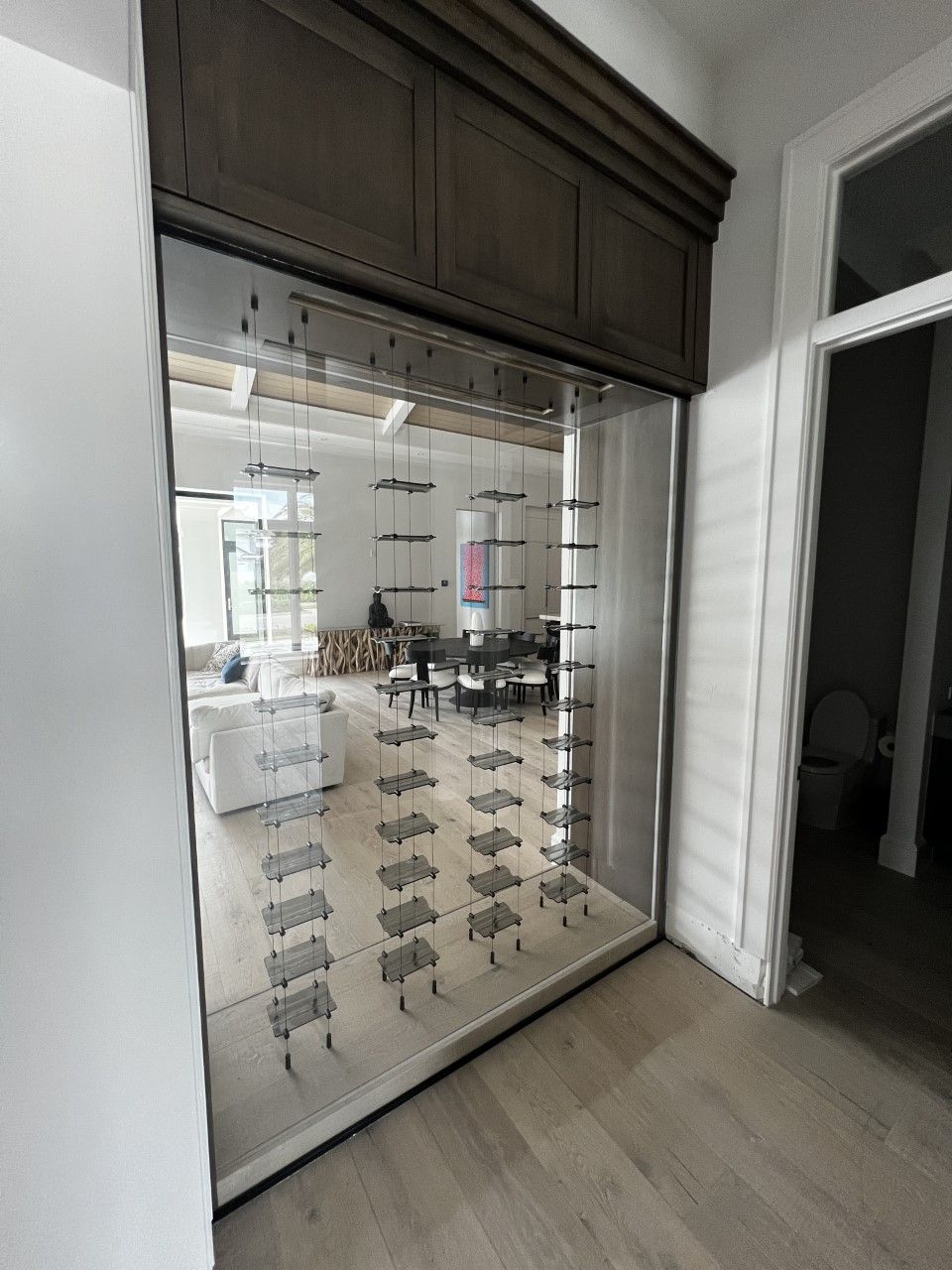
Glass and mirror installations have become indispensable elements in contemporary interior design, offering both aesthetic appeal and functional benefits. From amplifying natural light to creating seamless visual transitions, these materials transform ordinary spaces into sophisticated environments. Understanding the role of a glass and mirror specialist helps designers, architects, and homeowners make informed decisions that enhance comfort, efficiency, and visual harmony.
The Aesthetic Impact of Glass and Mirrors
Modern interiors rely heavily on clean lines, openness, and reflective surfaces. Glass and mirrors contribute to these objectives in several ways:
- Light Enhancement: Transparent glass panels and reflective mirrors bounce daylight deeper into rooms, reducing the need for artificial lighting.
- Spatial Illusion: Mirrors create the perception of larger spaces, a valuable asset in compact apartments or office layouts.
- Design Continuity: Frameless glass doors and wall-to-wall mirrors provide uninterrupted sightlines, supporting minimalist aesthetics.
For a deeper exploration of how reflective surfaces influence interior perception, Read more about this topic.
Functional Advantages
Energy Efficiency
High-performance glazing can improve thermal insulation, helping maintain consistent indoor temperatures. Low-emissivity (Low-E) coatings reflect infrared heat while allowing visible light to pass, which can lower heating and cooling costs.
- Reduces reliance on HVAC systems.
- Minimizes heat loss during winter and heat gain in summer.
- Supports sustainable building certifications.
To understand the technical specifications of energy-saving glass, Learn more in this detailed guide.
Safety and Durability
Tempered and laminated glass options provide enhanced resistance to impact and breakage. In public spaces or high-traffic areas, these safety features protect occupants while preserving aesthetic integrity.
- Tempered glass shatters into small, less-dangerous pieces.
- Laminated glass holds fragments together, offering additional security.
- Both types meet stringent building code requirements.
For safety standards and product options, Explore further insights here.
Design Versatility
Glass and mirrors are available in a wide range of finishes, textures, and configurations, allowing designers to tailor solutions to specific project goals.
- Textured Glass: Frosted, etched, or patterned surfaces add privacy without sacrificing light.
- Colored Glass: Tints can create mood lighting or complement brand palettes.
- Custom Shapes: Curved or angled panels introduce dynamic visual interest.
When selecting decorative glass, consider how each finish interacts with surrounding materials. Find additional information here.
Integration with Modern Technologies
Advancements in smart home and building automation have expanded the role of glass and mirrors beyond static elements.
- Electrochromic Glass: Adjusts tint on demand, offering privacy and solar control with a simple switch.
- Integrated LED Panels: Mirrors with backlit LED strips provide ambient lighting and functional illumination.
- Touch-Sensitive Surfaces: Interactive glass displays blend information technology with interior design.
These innovations enhance user experience while maintaining sleek aesthetics. Read more about this topic.
Choosing the Right Professional
Selecting a qualified glass and mirror specialist ensures that design intent translates into precise execution. Key considerations include:
- Technical Expertise: Ability to recommend appropriate glass types for structural, thermal, and acoustic requirements.
- Fabrication Capabilities: Access to CNC cutting, tempering, and lamination facilities for custom solutions.
- Installation Precision: Proper sealing, anchoring, and alignment to meet safety codes and performance standards.
- Project Coordination: Collaboration with architects, interior designers, and contractors to streamline timelines.
Understanding these factors helps stakeholders avoid costly rework and achieve the desired outcome. Learn more in this detailed guide.
Conclusion
The strategic use of glass and mirrors is essential for modern interiors, delivering visual elegance, energy efficiency, safety, and adaptability. By leveraging a knowledgeable specialist, designers can integrate these materials seamlessly, creating spaces that are both beautiful and functional. Continuous advancements in glazing technology further expand possibilities, ensuring that glass and mirror solutions remain at the forefront of contemporary design.