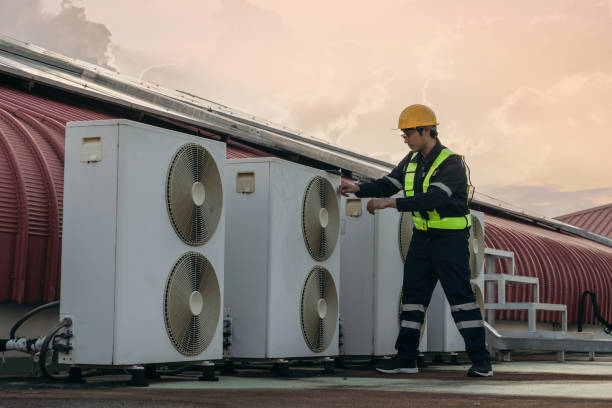
Commercial heating, ventilation, and air-conditioning (HVAC) systems are the backbone of any large-scale building operation. When these systems run efficiently, they keep occupants comfortable, protect sensitive equipment, and help maintain consistent indoor air quality. However, the demanding nature of commercial environments means that HVAC equipment is subject to continuous wear and tear. Regular, professional maintenance and timely repairs are essential to prevent premature failures and to maximize the useful life of the assets. Understanding the specific ways that commercial HVAC services contribute to equipment longevity can help facility managers make informed decisions that protect their investment and reduce long-term operating costs.
Proactive Maintenance Reduces Wear and Tear
Routine inspections and preventive maintenance are the cornerstone of extending equipment lifespan. By catching minor issues before they become major problems, service technicians can keep components operating within their design parameters.
- Cleaning coils and filters removes debris that forces the system to work harder, reducing motor strain.
- Lubricating moving parts prevents premature bearing wear and eliminates excess vibration.
- Calibrating sensors and controls ensures accurate temperature regulation, avoiding unnecessary cycling.
Facilities that partner with experienced commercial hvac services often benefit from a documented maintenance schedule that aligns with manufacturer recommendations, which is critical for warranty compliance.
Early Detection of Faults Through Diagnostic Testing
Advanced diagnostic tools enable technicians to identify hidden problems such as refrigerant leaks, electrical imbalances, or airflow restrictions. Early detection allows for targeted repairs that are less invasive and less costly.
Key diagnostic practices
- Pressure testing of refrigerant lines to locate leaks before they cause compressor overheating.
- Thermal imaging to spot hot spots in ducts and electrical panels.
- Vibration analysis on compressors and fans to predict bearing failure.
When a fault is identified promptly, the need for extensive downtime diminishes, preserving the integrity of the system and extending its operational life.
Optimizing System Performance Through Seasonal Adjustments
Commercial HVAC equipment experiences varying loads throughout the year. Adjusting system settings to match seasonal demands helps avoid over-cycling and unnecessary stress.
- Reprogramming thermostats for shoulder seasons reduces short-run cycles.
- Balancing airflow during peak summer months prevents coil freeze-up.
- Modulating boiler output in winter conserves fuel and reduces thermal fatigue.
Professional technicians who understand these nuances can provide the right hvac commercial repair near me solutions that keep the equipment running efficiently year-round.
Ensuring Proper Installation for Long-Term Reliability
Even the most robust HVAC components can suffer premature failure if they are not installed correctly. Proper sizing, alignment, and commissioning are essential for optimal performance.
- Accurate load calculations prevent oversizing, which leads to short cycling.
- Correct ductwork design minimizes pressure drops and ensures even distribution.
- Thorough commissioning verifies that all controls communicate correctly.
Engaging qualified commercial hvac installers near me reduces the risk of installation-related issues that could otherwise shorten the system’s lifespan.
Benefits of Working With Local Experts
Choosing a reputable commercial hvac companies near me offers several advantages that directly influence equipment longevity.
- Rapid response times, local contractors can reach the site quickly for emergency service, limiting damage.
- Familiarity with regional climate, knowledge of local temperature extremes informs preventive strategies.
- Access to OEM parts, local partners often maintain inventories of critical components, reducing downtime.
Integrating Energy Management and Monitoring
Modern commercial buildings increasingly rely on building automation systems (BAS) to monitor HVAC performance in real time. Continuous data collection helps identify inefficiencies before they cause wear.
- Energy dashboards highlight abnormal power consumption.
- Automated alerts trigger maintenance tickets when parameters drift.
- Performance trends guide long-term capital planning.
When a commercial hvac contractors near me integrates these tools, facility managers gain actionable insights that support proactive upkeep.
Choosing the Right Service Provider
Not all service providers deliver the same level of expertise. Selecting a partner with a proven track record in commercial heating and cooling ensures that the equipment receives the highest standard of care.
- Check for certifications such as NATE, EPA 608, and manufacturer-specific training.
- Review client testimonials that emphasize reliability and preventive focus.
- Confirm that the provider offers comprehensive commercial heating and cooling service packages, including emergency support.
Conclusion: A Strategic Investment in Longevity
Extending the lifespan of commercial HVAC equipment is not a matter of luck; it is the result of deliberate, well-executed strategies that combine regular maintenance, early fault detection, proper installation, and intelligent monitoring. By partnering with skilled professionals, whether searching for “commercial heating and cooling companies” or “commercial heating and cooling service” providers, facility managers can protect their assets, reduce operational costs, and ensure a comfortable environment for occupants for years to come.