Choosing the perfect venue for a wedding is a multifaceted decision that blends aesthetics, logistics, and culinary expectations. Couples often seek locations that not only provide a beautiful backdrop but also offer reliable catering services, eliminating the need to coordinate with external vendors. This article explores the essential factors to consider when searching for wedding venues with in-house catering, outlines the types of spaces available, and provides practical tips for ensuring a seamless celebration.
Why Integrated Catering Matters
Having catering handled by the venue can simplify planning in several key ways:
- Coordination Efficiency: One point of contact reduces miscommunication between the venue staff and external caterers.
- Cost Predictability: Packages often include food, service staff, and equipment, making budgeting more straightforward.
- Menu Consistency: Chefs familiar with the kitchen layout can deliver dishes as intended, ensuring quality control.
- Logistical Simplicity: Delivery times, kitchen access, and cleanup are managed internally, freeing the couple to focus on other details.
For a deeper understanding of how integrated services can benefit event planning, Read more about this topic.
Types of Venues with In-House Catering
Historic Mansions and Estates
These venues provide an elegant atmosphere with period architecture and expansive grounds. Many historic properties have on-site kitchens staffed by experienced chefs who can tailor menus to reflect the venue’s heritage.
- Ideal for formal, black-tie weddings.
- Often include indoor ballrooms and outdoor gardens.
- May offer seasonal menu options that incorporate local produce.
Learn more in this detailed guide.
Modern Event Lofts and Warehouses
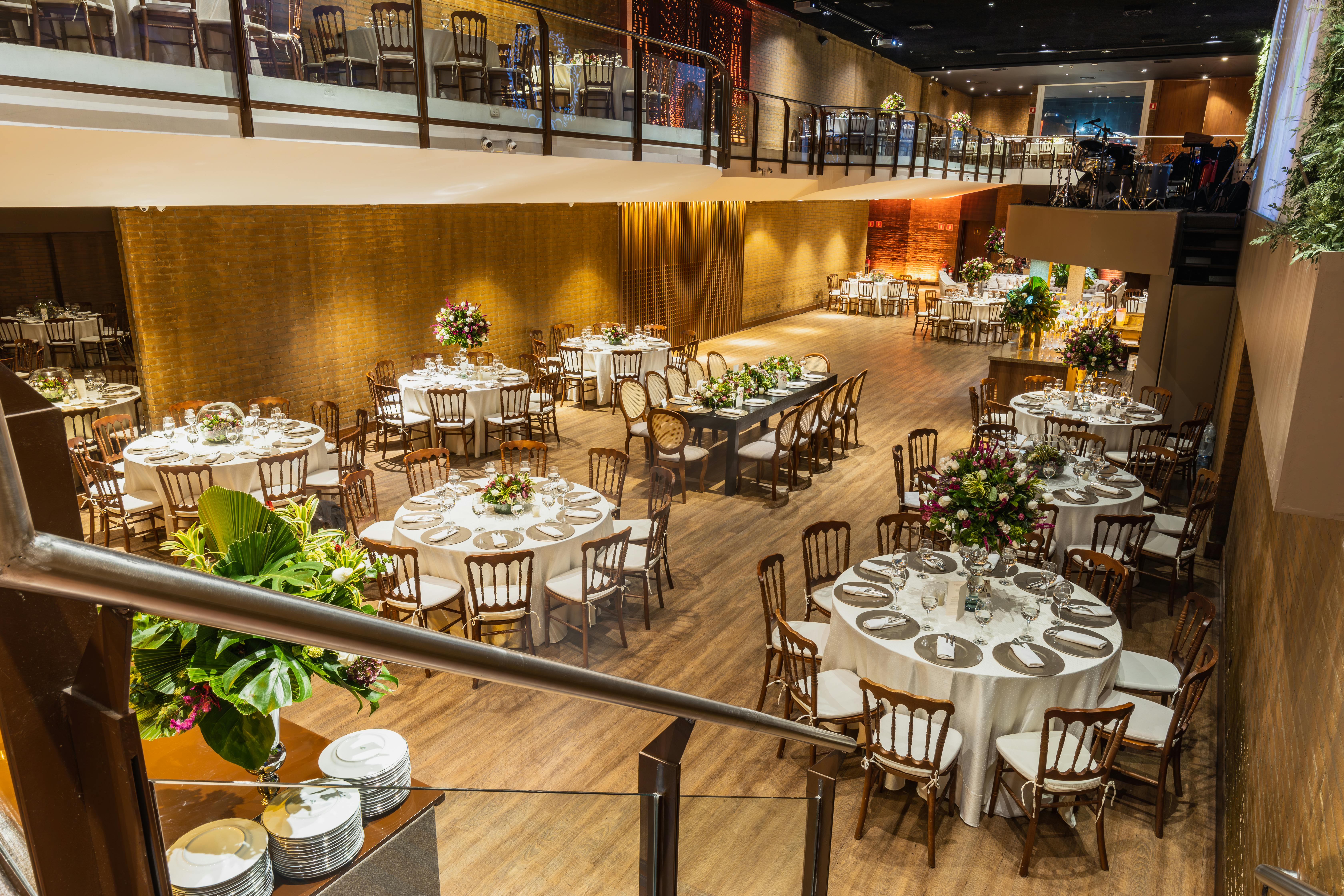
Converted industrial spaces offer a sleek, contemporary canvas that can be customized with lighting, d??cor, and furniture. Their large open floor plans accommodate flexible seating arrangements, and many lofts maintain professional kitchens capable of handling large guest counts.
- Great for couples seeking a minimalist or avant-garde aesthetic.
- Typically provide versatile catering packages, from plated dinners to buffet stations.
- Often include on-site audiovisual equipment for entertainment.
Explore further insights here.
Resort and Destination Venues
Resorts combine accommodation, ceremony spaces, and catering under one roof, making them especially convenient for destination weddings. Their culinary teams are accustomed to serving diverse guest profiles and can incorporate regional flavors into the menu.
- All-inclusive options simplify travel logistics for out-of-town guests.
- Multiple venue options (beach, garden, ballroom) often available on the same property.
- Experienced event coordinators typically assist with timelines and d??cor.
Find additional information here.
Key Considerations When Evaluating a Venue
Even with in-house catering, thorough evaluation remains essential. Below are critical aspects to review during site visits and contract negotiations:
- Menu Flexibility: Confirm whether the venue can accommodate dietary restrictions, cultural cuisines, and custom menu requests.
- Capacity and Layout: Ensure the space comfortably fits the guest list and supports the desired seating style (e.g., round tables, banquet, cocktail).
- Kitchen Infrastructure: Ask about kitchen size, equipment, and staff ratios to gauge the ability to execute complex menus.
- Service Style Options: Determine if the venue offers plated service, family-style, buffet, or food stations, and understand associated costs.
- Licensing and Insurance: Verify that the venue holds the necessary permits for serving alcohol and that liability coverage is in place.
- Timeline Flexibility: Review the allowed hours for set-up, ceremony, reception, and clean-up to avoid unexpected fees.
Budgeting Tips for Venue and Catering Packages
When a venue includes catering, the overall cost structure differs from arranging separate contracts. Consider these budgeting strategies:
- Request a detailed breakdown of food costs per person, including taxes, gratuities, and any service fees.
- Ask about package tiers; many venues provide basic, premium, and luxury options that bundle d??cor, linens, and staffing.
- Negotiate a tasting session early in the planning process to confirm menu choices and avoid costly changes later.
- Inquire about minimum spend requirements and whether they can be applied to other event elements such as rehearsal dinners.
For a comprehensive overview of cost-saving approaches, Read more about this topic.
Logistical Checklist for the Day of the Wedding
Even with an all-inclusive venue, a clear checklist helps the day run smoothly:
- Confirm Arrival Times: Verify when the culinary team will begin prep and when service staff will be on site.
- Finalize Menu Details: Re-confirm dish selections, portion sizes, and any last-minute dietary updates.
- Coordinate Timing: Align ceremony start, cocktail hour, dinner service, and cake cutting with the venue’s schedule.
- Assign Point Persons: Designate a trusted friend or planner to handle any on-site questions for the catering staff.
- Review Equipment Needs: Ensure tables, chairs, linens, and audiovisual gear are set up as planned.
- Plan for Cleanup: Understand the venue’s policy on post-event cleaning and waste disposal.
Learn more in this detailed guide.
Conclusion
Selecting a wedding venue that offers integrated catering can streamline the planning process, reduce stress, and create a cohesive experience for couples and guests alike. By evaluating the type of venue, understanding menu flexibility, and carefully managing budgets and logistics, couples can ensure their celebration reflects their vision while benefiting from the efficiencies of a single service provider. For additional resources on venue selection and event coordination, Explore further insights here.