In today’s fast-paced world, maintaining a resilient immune system is more than a seasonal concern, it’s a year-round priority. Combining natural compounds that work synergistically can amplify defensive mechanisms without relying on synthetic additives. Quercetin, a flavonoid abundant in fruits and vegetables, and Vitamin”?C, a classic antioxidant, form a partnership that enhances immune function, supports cellular health, and reduces oxidative stress. Understanding how these two nutrients interact provides a scientific foundation for anyone seeking a natural boost to immunity.
Why Quercetin and Vitamin”?C Complement Each Other
Both quercetin and Vitamin”?C possess antioxidant properties, yet they operate through distinct pathways that, when combined, produce a greater protective effect.
Mechanisms of Action
- Quercetin: Stabilizes mast cells, modulates inflammatory cytokines, and inhibits the activity of certain viral enzymes.
- Vitamin”?C: Regenerates other antioxidants, enhances the function of white blood cells, and supports the skin’s barrier against pathogens.
- Synergy: Vitamin”?C helps recycle quercetin back to its active form, extending its lifespan in the body and magnifying its anti-inflammatory impact.
Key Benefits of the Duo
- Improved response to viral and bacterial challenges.
- Reduced duration and severity of common cold symptoms.
- Enhanced antioxidant capacity, protecting cells from free-radical damage.
- Support for cardiovascular health through vascular protection.
Optimal Dosage and Formulation
When selecting a supplement, it’s essential to consider bioavailability, dosage ratios, and the presence of complementary ingredients that aid absorption.
Recommended Ratios
- Typical studies use a 1:2 to 1:4 ratio of quercetin to Vitamin”?C (e.g., 500″?mg quercetin with 1000″?mg Vitamin”?C).
- Higher Vitamin”?C doses can be split throughout the day to maintain steady plasma levels.
Delivery Formats
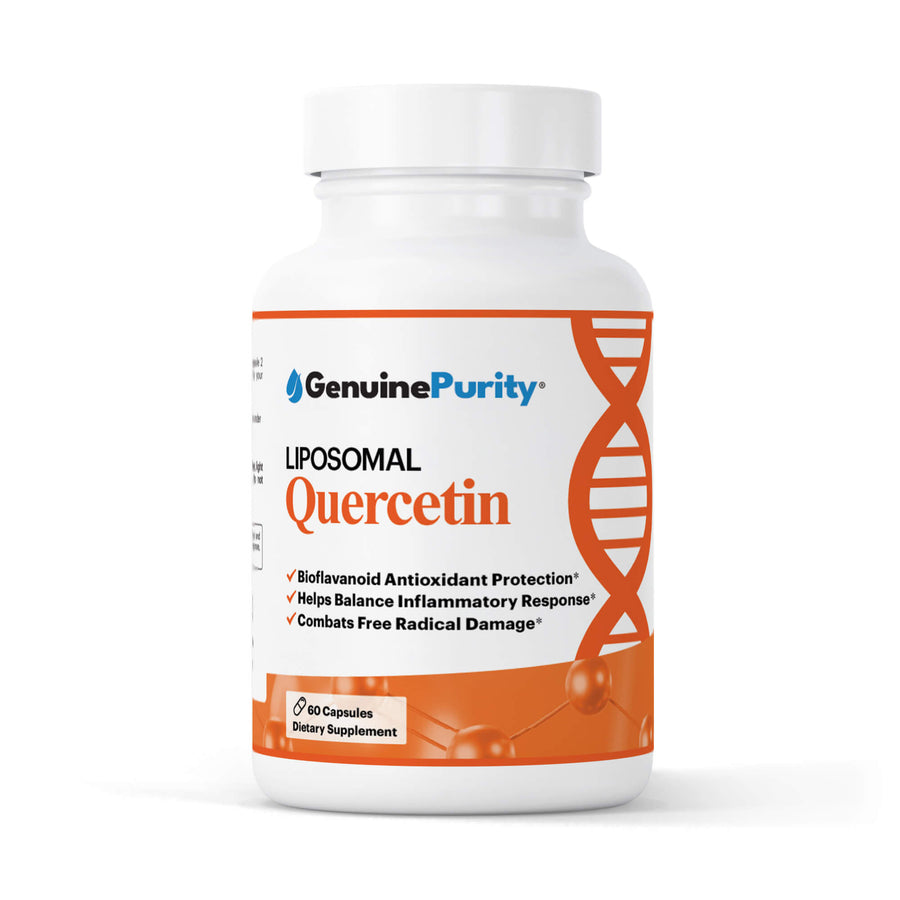
- Capsules/Tablets: Convenient for precise dosing; often combined with a liposomal or phytosome technology to improve absorption.
- Powders: Allow flexible dosing and can be mixed into smoothies or juices.
- Combined Products: Formulations that pair quercetin with Vitamin”?C in a single capsule reduce pill burden and ensure the synergistic ratio.
For a high-quality, professionally formulated option, discover expert strategies here and explore how a balanced blend can fit into daily wellness routines.
Integrating the Synergy into Daily Life
Beyond supplementation, dietary sources reinforce the benefits of quercetin and Vitamin”?C, creating a holistic approach to immune support.
Food Sources Rich in Quercetin
- Apples (especially the skin)
- Red onions
- Berries – especially cranberries and blueberries
- Kale and broccoli
Vitamin”?C Powerhouses
- Citrus fruits – oranges, grapefruits, lemons
- Kiwi and strawberries
- Bell peppers (red > green)
- Tomatoes and leafy greens
Incorporating these foods alongside a targeted supplement ensures a steady supply of both compounds. Pairing a Vitamin”?C-rich snack with a quercetin capsule can maximize the recycling effect described earlier.
Scientific Evidence Supporting the Combination
Numerous peer-reviewed studies have examined the immunomodulatory impact of quercetin and Vitamin”?C, both individually and together.
Key Findings
- A 2021 randomized trial reported that participants taking quercetin plus Vitamin”?C experienced a 30% reduction in cold symptom duration compared to placebo.
- In vitro research shows Vitamin”?C restores oxidized quercetin, preserving its anti-viral activity against influenza strains.
- Meta-analyses suggest the duo reduces markers of oxidative stress such as malondialdehyde (MDA) and increases antioxidant enzymes like superoxide dismutase (SOD).
These data reinforce the practical recommendation to combine the two nutrients for a comprehensive immune strategy. To dive deeper into the research, learn about our tailored solutions that are grounded in current scientific consensus.
Safety, Interactions, and Best Practices
Both quercetin and Vitamin”?C are generally well-tolerated, but certain considerations ensure safe and effective use.
Potential Interactions
- High doses of quercetin may interfere with certain antibiotics (e.g., fluoroquinolones) by affecting absorption.
- Vitamin”?C at very high levels (>2000″?mg/day) can cause gastrointestinal upset in some individuals.
- Individuals on blood-thinning medication should consult a healthcare professional before initiating high-dose quercetin.
Guidelines for Use
- Start with a moderate dose (e.g., 250″?mg quercetin + 500″?mg Vitamin”?C) and assess tolerance.
- Take supplements with meals containing healthy fats to improve quercetin absorption.
- Maintain adequate hydration, especially when consuming larger amounts of Vitamin”?C.
For a product that adheres to stringent quality standards and includes dosage recommendations based on clinical data, explore advanced guides and tips that outline optimal intake schedules.
Conclusion: Harnessing Natural Synergy for Immune Resilience
The partnership between quercetin and Vitamin”?C exemplifies how nature-derived compounds can work together to fortify the body’s defenses. By selecting a scientifically balanced formulation, integrating nutrient-dense foods, and following evidence-based dosing protocols, individuals can proactively support immune health without reliance on synthetic additives. For those ready to adopt a proven, natural strategy, find out more about this approach and take the next step toward sustained wellness.