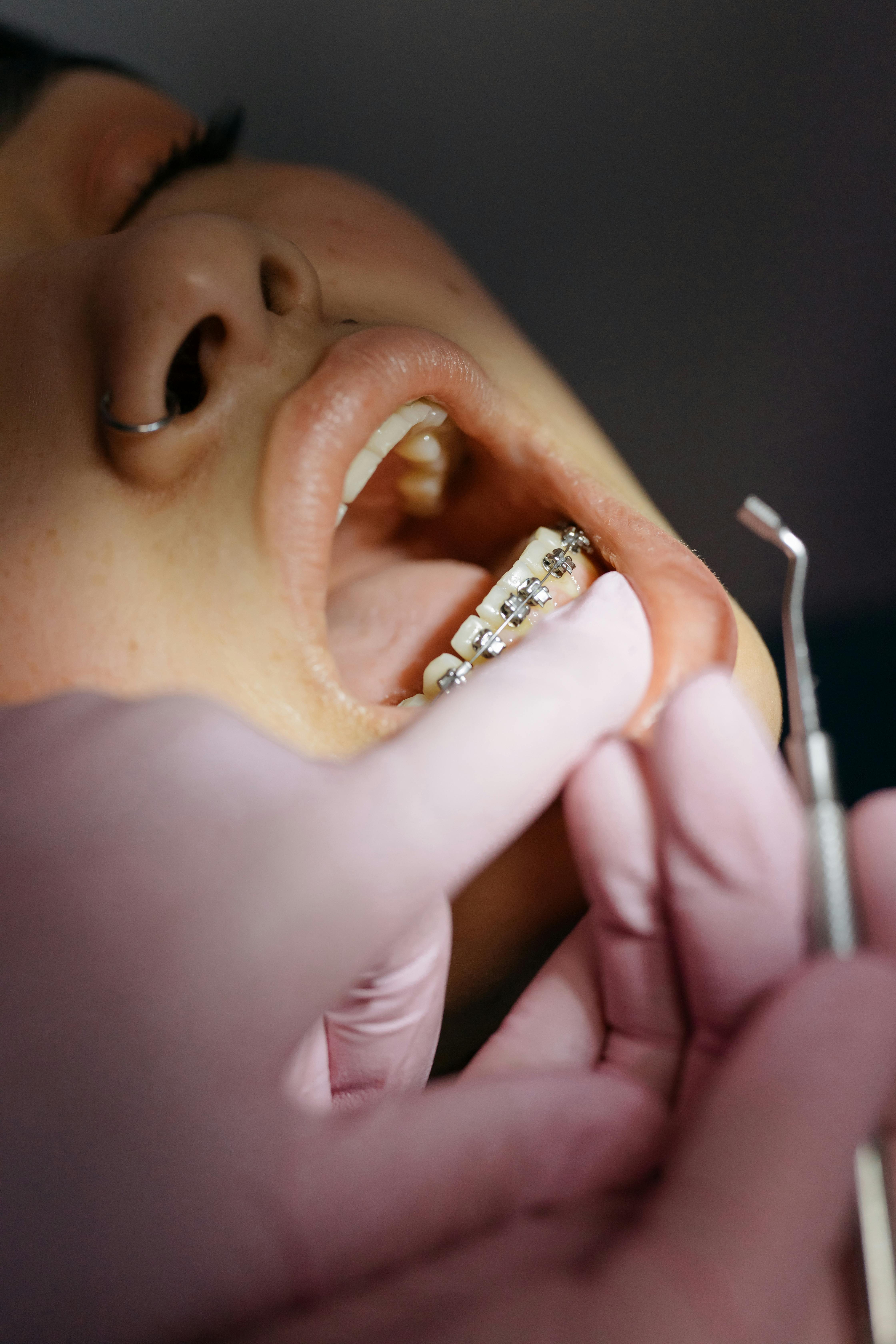
As people age, maintaining a beautiful smile remains a priority, and modern orthodontics offers a plethora of options for older adults seeking to improve their dental health and aesthetics. The traditional association of braces with adolescence is evolving, and more adults are now taking the step to enhance their smiles. This shift is supported by advancements in orthodontic treatments, which now cater specifically to the needs of older adults, ensuring that age is no barrier to achieving the smile of one’s dreams.
Why Consider Braces as an Older Adult?
There are several compelling reasons why adults might opt for braces later in life:
- Improved Oral Health: Straightening teeth can make them easier to clean, reducing the risk of cavities and gum disease.
- Enhanced Confidence: A beautiful smile can significantly boost self-esteem and social interactions.
- Alignment Issues: Many adults experience shifting teeth due to age, which can be effectively addressed with orthodontics.
- Modern Options: Today’s braces are more comfortable and less noticeable than ever before.
Learn about our tailored solutions for adult orthodontics by visiting our detailed guide here.
Types of Braces Suitable for Older Adults
There are several types of braces available, each with unique advantages:
Traditional Metal Braces
These are the most common type and are often the most affordable. Modern metal braces are smaller and more comfortable than those of the past.
Ceramic Braces
Ceramic braces are less visible than metal braces, making them a popular choice for adults concerned about aesthetics. They function similarly to metal braces but blend more naturally with the teeth.
Lingual Braces
Placed behind the teeth, lingual braces are invisible from the outside. They offer a discreet option for adults who want to avoid the look of traditional braces.
Invisalign
Invisalign aligners are clear, removable, and custom-made for each patient, offering a nearly invisible way to correct alignment issues. They are a preferred choice for adults due to their convenience and aesthetic appeal.
For a deeper understanding of these options, find out more about this approach here.
Challenges and Considerations
While braces for older adults offer numerous benefits, there are also some challenges to consider:
- Bone Density: With age, bone density decreases, which may affect the speed and effectiveness of orthodontic treatment.
- Longer Treatment Time: Adults may require a longer duration to achieve optimal results compared to younger patients.
- Pre-existing Dental Work: Existing dental restorations like crowns or bridges may require special considerations during treatment.
Explore advanced guides and tips for overcoming these challenges here.
Benefits Beyond Aesthetics
Orthodontic treatment for older adults is not just about improving appearance; it also contributes significantly to overall health:
- Prevention of Jaw Issues: Proper alignment can prevent or alleviate jaw pain and associated conditions.
- Better Digestion: Well-aligned teeth improve the efficiency of chewing, aiding in digestion.
- Speech Improvement: Correcting alignment can also improve speech clarity.
Discover expert strategies for integrating these benefits into your oral health plan by visiting this link.
Conclusion
Embracing orthodontic treatment as an older adult can transform more than just one’s smile; it can enhance overall quality of life. With various modern options available, there is a suitable solution for every individual. Older adults can confidently explore these options, knowing that age is no longer a barrier to achieving a radiant, healthy smile. To learn more about how braces can transform your smile and life, explore this resource.