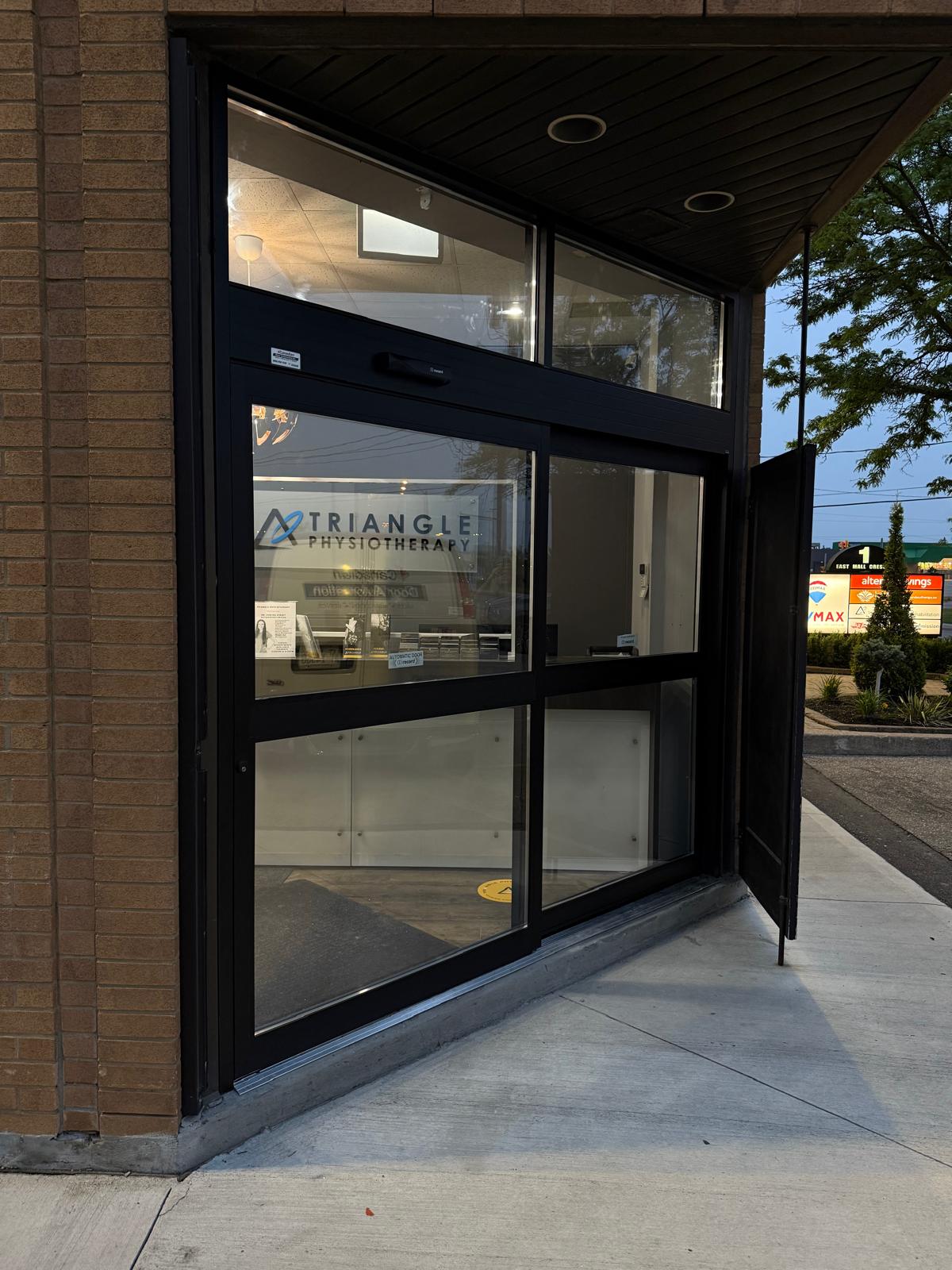
The seamless and reliable operation of automatic doors not only enhances accessibility but also ensures security and energy efficiency within commercial and public facilities. Regular maintenance of these systems is essential to prevent unexpected failures and extend their operational life. By adopting a structured and informed approach to maintenance, facilities can ensure that their automatic doors operate smoothly and safely. This article outlines simplified maintenance procedures that can be implemented to achieve optimal performance.
Understanding the Basics of Automatic Door Systems
Automatic doors are complex systems that integrate sensors, motors, and control units. Understanding the basic components and their functions is crucial for effective maintenance:
- Sensors: Detect motion and trigger the door to open.
- Motors: Drive the mechanism that physically opens and closes the door.
- Control Unit: Acts as the brain of the system, coordinating signals from sensors to motors.
For a detailed breakdown of these components and their maintenance needs, explore advanced guides and tips provided by industry experts.
Routine Maintenance Procedures
Scheduled Inspections
Regular inspections are the cornerstone of preventative maintenance. During these checks, technicians should:
- Assess the alignment and balance of the door.
- Check sensor functionality to ensure the door responds correctly to movement.
- Inspect the motor and control unit for any signs of wear or damage.
By following these steps, facilities can reduce the risk of unexpected malfunctions. Discover expert strategies here for scheduling and conducting comprehensive inspections.
Cleaning and Lubrication
Dirt and debris can impede the smooth operation of automatic doors. Regular cleaning and lubrication are necessary to maintain efficiency:
- Clean tracks and remove any obstructions that may hinder door movement.
- Lubricate moving parts such as hinges and rollers to minimize friction.
- Ensure that the sensors and control panel are free from dust and grime.
For practical tips on cleaning and lubrication techniques, learn about our tailored solutions that cater to different door systems.
Advanced Maintenance Techniques
Beyond basic procedures, advanced maintenance techniques can further enhance door functionality and longevity.
System Diagnostics
Using diagnostic tools to assess the system’s performance can identify potential issues before they escalate:
- Conduct electronic diagnostics to verify the health of the control unit.
- Monitor motor performance to detect early signs of failure.
- Evaluate sensor accuracy to ensure prompt door response.
For more on utilizing diagnostic tools effectively, find out more about this approach to proactive maintenance.
Software Updates
Keeping the software that manages automatic door systems up-to-date is crucial:
- Install firmware updates to enhance performance and security.
- Ensure compatibility with new sensor technologies.
- Optimize settings for energy efficiency and user convenience.
Regular software updates can significantly improve system reliability. Explore advanced guides and tips on managing software updates for automatic doors.
Conclusion
By simplifying the maintenance procedures for automatic doors, facilities can ensure their longevity and reliability. Implementing a structured maintenance routine that includes inspections, cleaning, diagnostics, and software updates not only enhances safety and efficiency but also reduces long-term operational costs. For further insights into maintaining automatic doors effectively, learn about our tailored solutions and strategies from industry leaders.