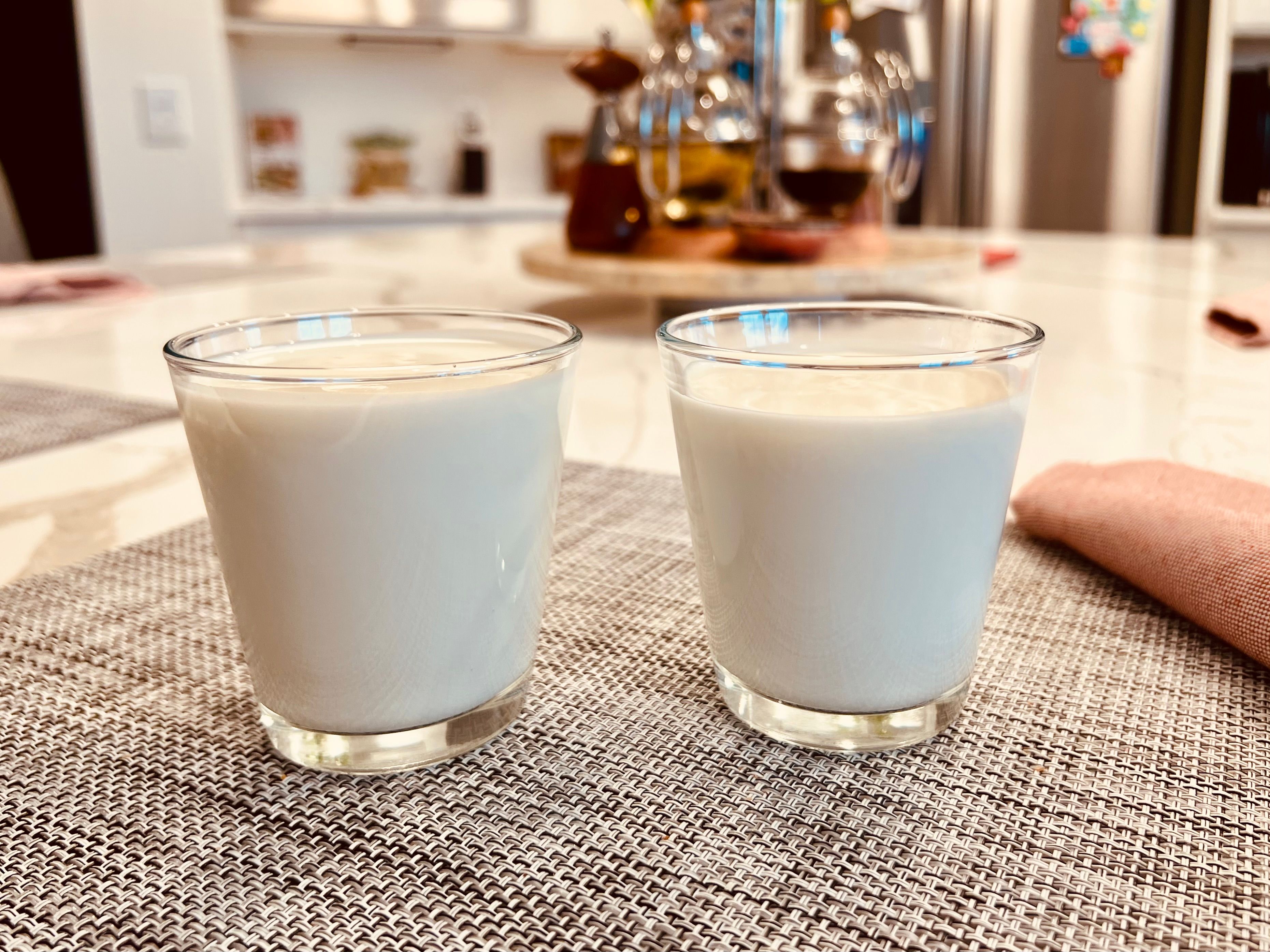
Distilled vodka elegance is a refined art that combines precision, purity, and a touch of sophistication. The journey of transforming raw materials into a smooth, crystal-clear spirit is intricate and captivating. Vodka, often celebrated for its versatility and clarity, has a rich history of craftsmanship that continues to evolve. Whether enjoyed neat, in a classic cocktail, or as a contemporary mix, the essence of vodka lies in its ability to deliver a pure and refined experience. This article delves into the core elements that contribute to the elegance of distilled vodka, exploring its production, characteristics, and cultural significance.
Understanding the Distillation Process
The distillation process is the heart of vodka production, where the magic of transformation occurs. This involves the careful conversion of fermented grains or potatoes into a high-quality spirit through a series of distillation cycles. Each step is crucial for achieving the desired purity and smoothness:
- Fermentation: The process begins with fermenting the base ingredient, where yeast converts sugars into alcohol. The choice of base ingredient significantly influences the flavor profile.
- Distillation: The fermented mixture undergoes multiple distillation cycles to remove impurities. This step is essential for enhancing the vodka’s clarity and smoothness.
- Filtration: After distillation, the vodka is filtered to eliminate any remaining impurities. Techniques such as charcoal or quartz filtration are employed to achieve a pristine finish.
- Water Addition: Pure water is added to adjust the alcohol content, ensuring a balanced and palatable spirit.
For a deeper understanding of this intricate process, explore further insights here.
The Characteristics of Fine Vodka
Vodka’s elegance is defined by several key characteristics that connoisseurs and casual drinkers alike appreciate:
- Purity: A hallmark of quality vodka is its remarkable purity. The absence of impurities ensures a clean, crisp taste.
- Smoothness: A refined vodka glides smoothly over the palate, with no harsh aftertaste. This is achieved through meticulous distillation and filtration.
- Aroma: While vodka is known for its neutral aroma, subtle notes can hint at the base ingredients used in production.
- Versatility: Due to its clean flavor profile, vodka is a versatile spirit that complements a wide range of cocktails and culinary creations.
For a deeper exploration of what defines fine vodka, read more about this topic.
Cultural Significance and Enjoyment
Vodka holds a prominent place in various cultural traditions and is often associated with celebration and hospitality. Its versatility extends beyond the glass, influencing social rituals and culinary practices:
- Traditional Celebrations: In many cultures, vodka is a staple at weddings, festivals, and family gatherings, symbolizing unity and joy.
- Cocktail Innovation: Bartenders and mixologists continually explore new ways to incorporate vodka into innovative cocktails, showcasing its adaptability.
- Gastronomic Pairing: The neutral profile of vodka makes it an excellent companion for diverse cuisines, enhancing flavors without overpowering them.
To understand the depth of vodka’s cultural significance, learn more in this detailed guide.
Conclusion
The allure of distilled vodka lies in its seamless blend of tradition and modernity, offering a refined experience that transcends time. Its elegance is a testament to the artistry behind its creation, making it a cherished choice for enthusiasts worldwide. Whether savored in solitude or shared in celebration, vodka continues to captivate with its purity and sophistication. For those eager to delve deeper into the world of vodka, find additional information here.