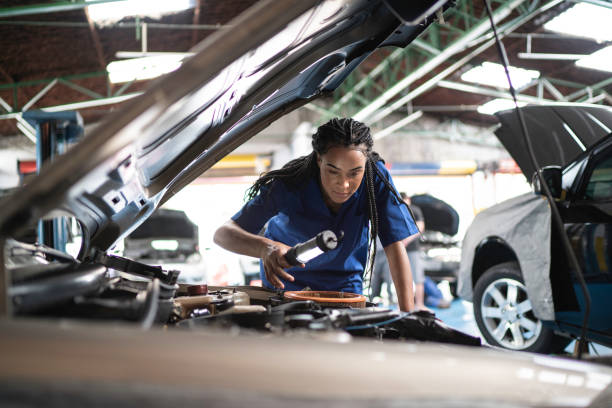
In the world of automotive care, wheel alignment holds a pivotal role in ensuring a smooth and safe driving experience. Proper wheel alignment not only prolongs the life of tires but also enhances vehicle handling and fuel efficiency. Regularly scheduled maintenance including wheel alignment can prevent premature tire wear and improve overall vehicle performance. Understanding the importance of this service and knowing when to seek professional assistance is crucial for car owners.
What is Wheel Alignment?
Wheel alignment refers to the adjustment of a vehicle’s suspension, the system that connects a vehicle to its wheels. It is not an adjustment of the wheels or tires themselves. The key objective is to ensure that the wheels are set to the optimum position as per the manufacturer’s specifications. This involves adjusting the angles of the tires, which affects how they make contact with the road.
Key Alignment Angles
- Camber: The angle of the wheels when viewed from the front. Incorrect camber can cause uneven tire wear.
- Toe: The extent to which your tires turn inward or outward when viewed from above. Proper toe settings ensure stability on straight roads.
- Caster: The angle of the steering axis when viewed from the side of the vehicle. It influences the steering, stability, and cornering.
Signs That Your Vehicle Needs Alignment
Recognizing when your vehicle requires wheel alignment can save you from costly repairs and ensure your driving safety. Here are common indicators:
- Uneven or rapid tire wear.
- Vehicle pulling to one side.
- Steering wheel off-center when driving straight.
- Noisy steering.
For a deeper understanding of these signs, read more about this topic.
Benefits of Regular Wheel Alignment
Regular maintenance of wheel alignment can offer several advantages:
- Enhanced Fuel Efficiency: Misaligned wheels cause the engine to work harder, using more fuel. Proper alignment can help in maintaining optimal fuel economy.
- Improved Vehicle Handling: Correct alignment ensures that your vehicle handles smoothly and safely, reducing the risk of accidents.
- Increased Tire Lifespan: By preventing uneven tire wear, alignment contributes to a longer life for tires.
- Reduction in Repair Costs: Regular alignments can prevent more severe suspension and steering issues, saving money in the long run.
To understand more about the benefits, you can explore further insights here.
When to Schedule Alignment Services
It’s advisable to have wheel alignment checked regularly, usually every 6,000 miles or as recommended in your vehicle’s manual. However, certain situations might demand more frequent checks:
- After hitting a curb or pothole.
- Following an accident.
- When replacing tires.
- If you notice any of the warning signs mentioned above.
For guidance on scheduling, find additional information here.
Conclusion
Maintaining proper wheel alignment is essential for safe and efficient driving. It extends the life of your tires, enhances your vehicle”?s performance, and can even improve fuel efficiency. Staying alert to the signs of misalignment and scheduling regular maintenance as needed will help prevent potential issues and ensure a smoother driving experience. To delve deeper into the topic, learn more in this detailed guide.