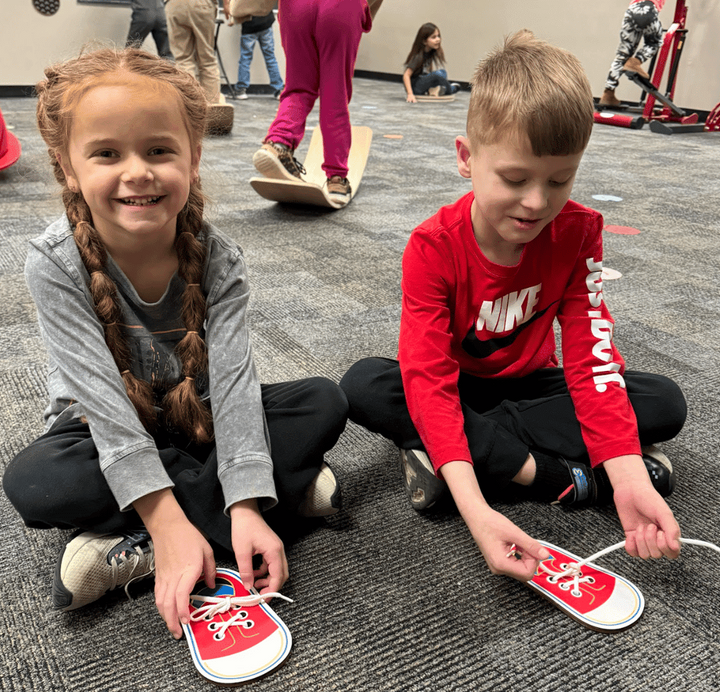
Classroom engagement is a pivotal aspect of effective learning, and integrating movement into the educational environment can significantly enhance student participation and focus. Modern educational research underscores the positive impact of physical activity on cognitive functions, including improved attention, memory, and learning outcomes. This article explores various classroom movement solutions to foster an engaging and dynamic learning environment, drawing on innovative strategies and resources.
Understanding the Importance of Movement in Learning
Physical movement is not just beneficial for physical health; it is crucial for mental and emotional well-being. Studies have shown that students who incorporate movement into their daily routine tend to have better concentration and higher academic performance. Here are a few reasons why movement is vital in a classroom setting:
- Enhances cognitive function by increasing blood flow to the brain.
- Reduces stress and anxiety, creating a more conducive learning environment.
- Encourages social interaction and teamwork among students.
- Improves behavior and reduces disciplinary issues.
Effective Classroom Movement Strategies
Incorporating Physical Activities
Introducing short, structured physical activities can break the monotony of traditional classroom settings and reinvigorate students. Activities such as stretching, jumping jacks, or quick team-based games can be seamlessly integrated into lesson plans. To discover expert strategies here on how to incorporate these activities effectively, educators can explore a variety of resources and tools.
Flexible Classroom Layouts
Reconfiguring the classroom layout to accommodate movement can significantly impact student engagement. Consider the following approaches:
- Arrange desks in clusters to promote group work and interaction.
- Utilize standing desks or balance ball chairs to keep students physically active even while seated.
- Create designated spaces for movement activities, such as a corner for yoga or a small area for dance.
To learn about our tailored solutions for creating adaptive classroom layouts, educators can benefit from expert insights and practical advice on implementing these changes.
Technology-Integrated Movement Solutions
Technology can be a powerful ally in incorporating movement into the classroom. Interactive tools and digital platforms can make learning more engaging and physically active. Here are some innovative ways to leverage technology:
- Use interactive whiteboards for movement-based learning games and activities.
- Incorporate virtual reality (VR) or augmented reality (AR) experiences that require physical movement.
- Implement fitness tracking apps to encourage students to set and achieve physical activity goals.
For educators looking to explore advanced guides and tips on integrating technology with movement, a wealth of resources is available to help seamlessly blend digital tools with active learning approaches.
Evaluating the Impact of Movement on Student Engagement
Assessing the effectiveness of movement-based strategies is essential for continuous improvement. Educators can implement the following methods to evaluate their impact:
- Conduct regular surveys to gather student feedback on movement activities.
- Monitor changes in student behavior and academic performance.
- Track participation rates in movement activities to identify trends and areas for improvement.
To find out more about this approach to evaluating classroom strategies, educators can access comprehensive resources that provide detailed methodologies and case studies.
Conclusion
Integrating movement into the classroom is more than just a trend; it is a necessary evolution in teaching practices that addresses the holistic needs of students. By employing movement-based strategies, flexible layouts, and technology integration, educators can significantly boost student engagement and learning outcomes. For those keen to delve deeper into these methods, numerous resources offer guidance and support for creating a vibrant, active classroom environment.